Glaucoma has a reputation for being a "silent" eye condition, and for the most common form, that's largely true — it can develop for years without a single noticeable symptom. By the time changes in vision are obvious, some damage has often already occurred. That's not meant to alarm you; it's actually the main reason regular eye screening matters so much, and why it's worth understanding what glaucoma is and how it's typically found.
What is glaucoma?
Glaucoma isn't one single disease — it's a group of eye conditions that damage the optic nerve, the bundle of nerve fibers that carries visual information from your eye to your brain. Damage to this nerve is often linked to a buildup of pressure inside the eye, though glaucoma can also occur even when eye pressure is within a typical range.
Inside a healthy eye, a fluid called aqueous humor flows through the front of the eye and drains out through a tissue called the trabecular meshwork, where the iris and cornea meet. When that drainage system doesn't work as well as it should, or becomes blocked, fluid can build up and pressure inside the eye rises. Over time, that pressure can gradually damage the optic nerve. Glaucoma can happen at any age, but it becomes more common in older adults and is one of the leading general causes of vision loss in people over 60.
Common symptoms
What glaucoma looks like day to day depends heavily on which type it is and how far it's progressed:
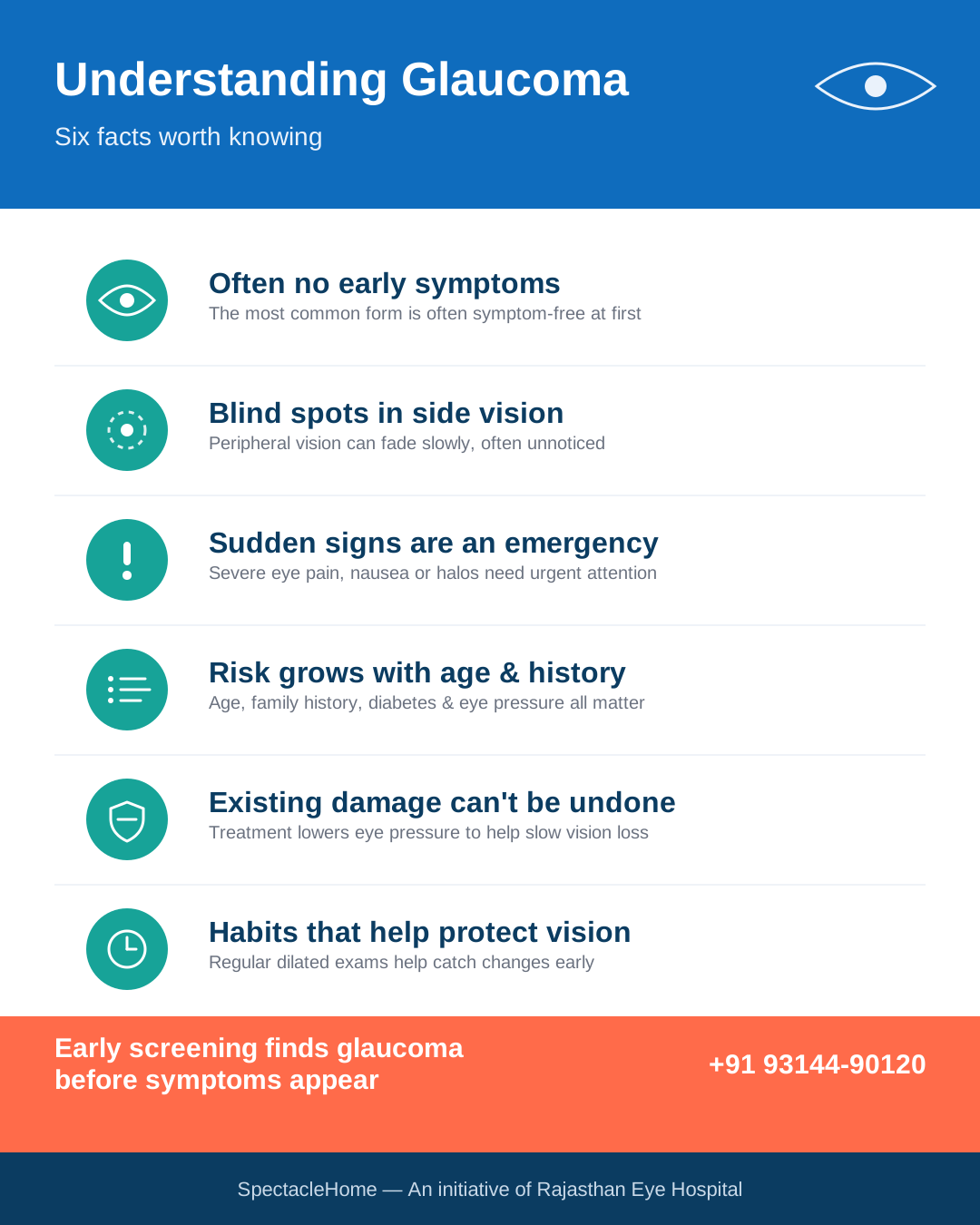
- The most common form, open-angle glaucoma, typically causes no symptoms in its early stages
- As it progresses, gradual, patchy blind spots can develop in your peripheral (side) vision — often without you noticing at first
- In later stages, difficulty with central vision can also develop
- Normal-tension glaucoma follows a similar quiet pattern — often no early symptoms, then gradually blurred vision
- Acute angle-closure glaucoma is different and comes on suddenly, with severe eye pain, headache, nausea or vomiting, blurred vision, halos or colored rings around lights, and eye redness
Because the gradual forms of glaucoma are so easy to miss, symptoms alone aren't a reliable way to catch it early — which is exactly why routine screening, rather than waiting to notice something wrong, is the approach eye doctors generally recommend.
Causes & risk factors
Eye doctors don't fully understand every detail of why optic nerve damage happens, but it's usually connected to elevated pressure inside the eye. In the most common form, the drainage angle stays open, but the deeper parts of the drainage system don't function properly, causing pressure to build slowly. In angle-closure glaucoma, the iris bulges and blocks the drainage angle, which can cause pressure to rise suddenly or gradually. Glaucoma also tends to run in families, and researchers have identified certain genes linked to eye pressure and optic nerve damage.
Factors that may raise the likelihood of developing glaucoma include:
- Age over 55, with risk continuing to rise with age
- A family history of glaucoma
- Having high pressure inside the eye
- Certain medical conditions, such as diabetes, migraine, high blood pressure, and sickle cell anemia
- A cornea that's thin in the center
- Extreme nearsightedness or farsightedness
- A past eye injury or certain types of eye surgery
- Long-term use of corticosteroid medications, especially eye drops
- Naturally narrow drainage angles in the eye, which raise the risk specifically of the angle-closure form
Having one or more of these factors doesn't mean glaucoma is inevitable — it means regular screening is worth prioritizing, and it's worth mentioning any of these to your eye doctor.
When to see a doctor
Because early glaucoma usually has no symptoms, the general medical guidance is that routine, comprehensive eye exams — not waiting for warning signs — are the main way it's caught while it's still early and more manageable. How often screening is recommended generally depends on your age and risk factors, and an eye doctor can advise on the right schedule for you.
Sudden severe eye pain together with headache, nausea, blurred vision, or halos around lights can be a sign of acute angle-closure glaucoma, which is a medical emergency. If this happens, it needs immediate attention — contact an ophthalmologist right away or go to an emergency room rather than waiting for a routine appointment.
What treatment generally involves
An important thing to understand about glaucoma is that damage already done to the optic nerve generally can't be reversed. Treatment is aimed at lowering eye pressure to help slow or prevent further vision loss, particularly when the condition is found early — not at restoring vision that's already been lost.
Treatment commonly starts with prescription eye drops, which work by helping fluid drain more easily from the eye or by reducing how much fluid it produces. If drops alone aren't enough, an eye doctor may also consider oral medication, laser treatment, or surgery — all generally aimed at bringing pressure down. Which combination makes sense, and how often follow-up monitoring is needed, depends on the specific type and stage of glaucoma, and that's a decision an ophthalmologist makes together with each patient. Glaucoma is typically a lifelong condition once diagnosed, so ongoing monitoring and treatment adherence matter as much as the initial choice of treatment.
Everyday habits that help
- Get a comprehensive, dilated eye exam on a regular schedule — screening frequency is often tied to age and risk factors, so ask an eye care professional what schedule fits you
- Know your family's eye health history and mention it at your exams, since glaucoma tends to run in families
- Manage related health conditions such as diabetes and blood pressure
- Wear protective eyewear during activities like power tool use or sports, since serious eye injury is a known risk factor
- If you're already prescribed glaucoma eye drops, use them as directed, since consistent use is part of how they help protect the optic nerve
None of these habits guarantee glaucoma won't develop, but together with regular screening, they reflect the general medical guidance for catching and managing it as early as possible.