What is it?
The lens of your eye is normally clear, focusing light onto the retina so your brain can turn it into a sharp image. A cataract is a clouding of that lens, which typically develops gradually — often simply as part of the natural aging process. As the lens clouds, vision is often described as looking through a foggy or frosted window.
Common symptoms
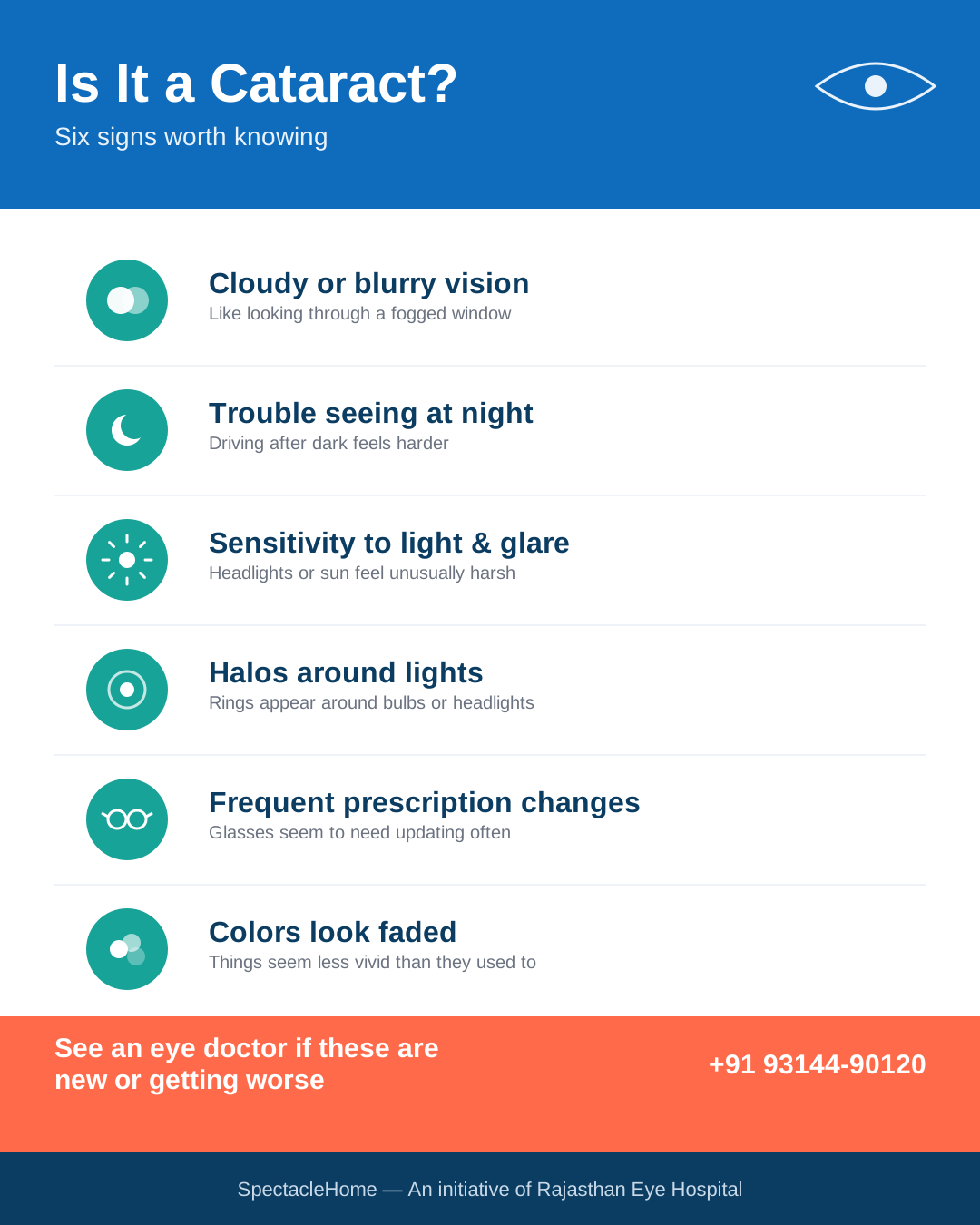
- Cloudy, blurry, or dim vision
- Increasing difficulty with vision at night
- Sensitivity to light and glare
- Seeing “halos” around lights
- Frequent changes in eyeglass or contact lens prescription
- Colors that seem faded or less vivid
- Double vision in one eye
Causes & risk factors
- Aging (the most common factor)
- Diabetes
- Excessive sun exposure over many years
- Smoking
- Long-term use of certain medications, such as corticosteroids
- Previous eye injury, inflammation, or surgery
- Family history of cataracts
When to see a doctor
It's a good idea to schedule an eye exam if you notice any of the symptoms above, especially if they're affecting daily tasks like reading, driving, or recognizing faces.
What treatment generally involves
In earlier stages, an updated glasses prescription, brighter lighting, or anti-glare sunglasses can often help manage day-to-day symptoms. When a cataract progresses to interfere with daily life, cataract surgery — one of the most frequently performed procedures in modern medicine — is a common and generally well-tolerated option. In broad terms, it involves removing the clouded lens and replacing it with a clear artificial one. Your ophthalmologist is the right person to walk you through timing and what to expect in your specific case.
Everyday habits that help
- Wear sunglasses that block UV rays outdoors
- Avoid smoking
- Keep conditions like diabetes well managed
- Get a comprehensive eye exam on a regular schedule, especially after age 60